கவிதைகள் – ஸம்ரா
தொகுப்பு – ஜேகே
மெல்பேர்னின் புற நகரத்துக் குளிர் இரவு அது. Bad Decisions எனும் பெயர் கொண்ட ஒரு மதுபான இரவு விடுதியின் மேல் தளத்தில் அந்த நிகழ்ச்சி ஒழுங்கமைக்கப்பட்டிருந்தது. இருபதுக்கு முப்பது அடிகள் கொண்ட அறைக்குள்ளே குறு மேடை போடப்பட்ட அரங்கில்தான் நிகழ்வு. இருபது பேர் கூடக்கூடிய அந்த அறைக்குள் எண்பது பேரளவில் நெருங்கி நின்றிருந்தார்கள். ஒலிபெருக்கியில் ரொக், மெட்டல்வகை இசைக்கோர்வைகள் கட்டடத்தையே அதிரவைத்துக்கொண்டிருந்தன. அந்த இரவின் நிகழ்வுக்கு ‘Night of the disenfranchised’ என்று பெயர் வைத்திருந்தார்கள். அதிகம் அறியப்படாத, திறமை வாய்ந்த இசைக்கலைஞர்கள் ஒன்றன் பின் ஒன்றாக அன்றிரவு அரங்கேறினார்கள். ஆதாரமாக ரொக் இசை அமைய, அதிலிருந்து தம் மரபுசார்ந்து சில புதுமைகளை அத்தனை கலைஞர்களும் செய்தார்கள். அவற்றுள் ஒன்றாக பிரண்ணே, ஸம்ரா, தாஃலியா இணைந்த குழுவினரது நிகழ்ச்சியும் அரங்கேறியது. ரொக் இசையும் கர்நாடக இசையும் கலந்து புதிதான ஒரு பாணியை அறியும் முயற்சி அது. முப்பது நிமிடங்கள்வரை நீடித்த அவர்களது நிகழ்வில் ஓரிடத்தில் மிகப் பலமாக மின்சார கிற்றார் கருவி ஆர்ப்பரித்து அடங்க, திடீரென ஸம்ராவின் குரலில் தமிழ்ப்பாடல் ஒன்று ஒலிக்க ஆரம்பித்தது.
நதிக் கரையினிலே மரங்களைப்போல
நான் நிழலானேன் உன் அருகினிலே
நதிக் கரைகளுக்கும் மரங்கள் தேவை
அது உயிரினம்தான், வெறும் நிழல் அல்ல
நீ அறியாயோ.
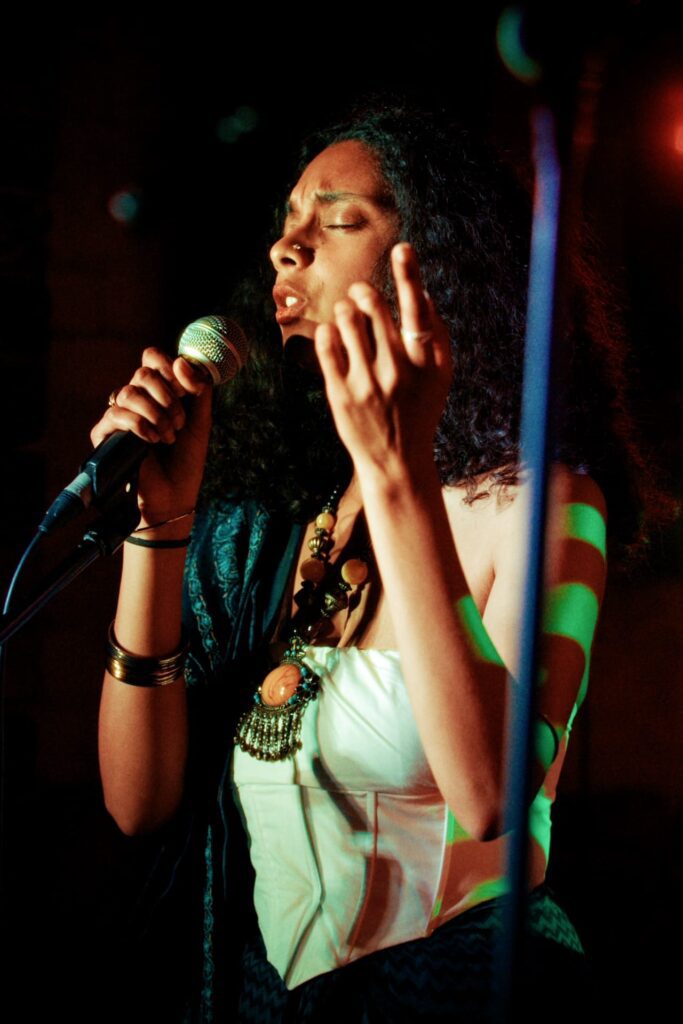
பிரிவின் வலியை, புறக்கணிப்பின் வலியை இசையின் ஓசை நயத்துக்கிடையே மொழியில் கடத்தவேண்டும். நதி ஓடிக்கொண்டேயிருக்கிறது. தன் பயணத்தின் இரு மருங்கிலும் தழைத்து நிற்கும் மரஞ்செடிகளுக்கு அதுதான் ஆதாரமும்கூட. ஆனால் நதி அந்த மரங்களுக்காகத் தன் ஓட்டத்தை சற்றேனும் நிறுத்துவதில்லை. நிதானித்து, அதனோடு பேசி உறவாடுவதில்லை. மரம் அங்கே கரையிலேயே நிற்க, அதற்கு உயிர் கொடுத்த நதி எங்கோ கடலைத்தேடி ஓடிக்கொண்டேயிருக்கிறது.

ஸம்ராவுக்கு தமிழில் நன்றாகப் பரிச்சயம் உண்டு. ஆனால் அவருடைய சிந்தனை மொழி தமிழ் அல்ல. சில ஆண்டுகளுக்கு முன் இளவேனிலில் அவர் எழுதிய ‘Long walk to emancipation’ – the struggles of the cursed generation என்ற கட்டுரை, புலம்பெயர்ந்த இரண்டாம் தலைமுறையினரின் முக்கிய குரலாக என்றும் கவனிக்கப்படவேண்டியது. இசையிலும் பல மொழிகளிலும் திறன் வாய்ந்த ஸம்ராவின் பல நிகழ்வுகள் பிட்ஸ்ரோய், பிரன்ஸ்விக், நகரமையம் எனப் பல அரங்குகளில் தொடர்ந்து இடம்பெற்றுக்கொண்டிருக்கின்றன. நவீன, மேலைத்தேய இசையோடு தன்னுடைய ஆதாரமான கர்நாடக சங்கீதத்தையும் ஸம்ராவின் அவருடைய கோர்வைகள் புதிய வடிவங்களைத் தேடிக்கொண்டேயிருக்கின்றன. ஸம்ராவோடு இசை சார்ந்தும் கவிதைகள் சார்ந்தும் உரையாடும் பொழுதுகள் ஆழமானவை. அவருடைய பாடல்கள், கவிதைகள், சிறு கட்டுரைகள் பலவற்றில் ஒரு குறிப்பிட்ட சிந்தனை மறுபடியும் மறுபடியும் வந்துகொண்டேயிருப்பதை அவதானிக்கலாம்.
ஓடும் நதியை விசித்து நின்று பார்க்கும் மரத்தினது சிந்தனை அது.
‘The last time I felt loved was in 1993’ என்று ஆரம்பிக்கும் ஸம்ராவின் இன்னொரு கவிதையின் ஆதாரச் செய்தியும் அதுதான். நான் கடைசியாக அன்பினை உணர்ந்தது கருவில் இருக்கும்போது எனும் வரிகள் கொடுக்கும் அதிர்ச்சியிலிருந்து மீள்வது கடினமானது.
The last time I felt loved was in 1993
I was not born then.
The notion of conceiving me was joyful.
And hopeful.
For them
I was not yet born then.
A foetus was forming in the womb.
They said, foetus.
There were belly rubs, singing, prayers and meditation to the unborn.
They were buying cute little clothes to decorate and adorn the foetus.
The last time I felt loved was in 1993
I was not born then.
Building a cradle
Assembling a crib
Buying a car seat
Collecting cute clothes
Anticipation, excitement, hope, joy, and some fear.
For them
The last time I felt loved was 1993
I was not born then.
கரைதனில் நிற்கும் மரத்தின் விதையை நதியே மலையினின்று காவி வந்திருக்கும். அது எங்கே விதைக்கப்படவேண்டும் என்பதையும் நதியே தீர்மானிக்கிறது. அதற்கு நீரூற்றுகிறது. பசளை பாய்ச்சுகிறது. ஆனால் அது முளை விட்டு வளர்வதைப் பார்க்க அந்த நதி காத்திருப்பதில்லை. மற்றவருக்கு நதி அங்கேயே நிற்பதுபோலத் தோன்றலாம். ஆனால் அந்த மரமோ அதன் விதையைக் காவி வந்த நதியை இன்னமும் தேடிக்கொண்டிருக்கிறது.
பாழும் மனம் பகலுக்கும் இரவுக்குமிடையில் கிடந்து தவிப்பதை ஸம்ராவின் பிறிதொரு கவிதை பேசுகிறது.
An ugly night, then a beautiful day.
Cloudy gloom then sunshine came to stay.
Is the dark dread gone?
Is it here to stay?
Neurons dance about in a trance,
Then the body curls up in dismay.
Rest, de-stress, this will go away.
An ugly night, then a beautiful day.
Raindrops then rumble, electric storms,
Tears then wailing, thoughts of impending doom.
Rain rain go away,
Come by later, maybe some other day?
Darkness, moonshine, the night becomes silent.
Sedated by sorrows, this is just the way
The darkness is kissed and sent away by
the dawn of a new day.

இருளை முத்தமிட்டு வழியனுப்புகிறது பகல் என்னும் வரிகளில் இருள் மறுபடியும் வந்துசேரும் என்னும் நினைப்பும் தொக்கி நிற்கிறதல்லவா? துயரத்தில் மயங்கிக்கிடக்கும் மனதுக்கு இரவும் பகலும் ஒன்றென்றே எண்ணத்தோன்றுகிறது. இப்போது கவிதை பகலுக்குள் நகர்கிறது. பறவைகள் கீச்சிடுகின்றன. மரங்கள் காற்றோடு சேர்ந்து நடனமாட, அதன் இலைகள் உதிர்ந்து விழுகின்றன. மரம் நிர்வாணமாகிறது. மறுபடியும் துளிர்க்கிறது. இரவைத் துடைத்த பகலில் இவையெல்லாமே கவிதைக்குத் தெரியவருகிறது.
Birds chirping, trees dancing, with the wind,
they sway.
An ugly night, then a beautiful day.
Leaves fall with the weeping winds,
Bare bones, skeletons of trees.
(The) grass grows, petals pop up,
Sap trickles down the trunks of trees.
Autumn or Winter, Spring or Summer,
Nature always breaks free.
Ugly nights will eventually turn into
beautiful days.
The Sun will shine bright, sometimes it does,
So just do as they say.
Take a breath of fresh air,
smell the flowers,
before they all wither away.
How many are left?
They’re not meant to last anyway
With all that has gone or is going.
May sorrows too be swept away.
Until then,
Just do as they say
Follow the clichés,
and just seize the day.
நம்பிக்கைதான் வாழ்க்கை என்று எந்த நம்பிக்கையில் இக்கவிதைக்கு எடுத்துரைப்பது? அறிவுரைகளைக் கேளுங்கள். எல்லோரையும்போல வாழுங்கள். எந்நாளும் உன் நாளே என்றால் செவிமடுங்கள் என்று ஏளனம் செய்யும் கவிதையை எப்படித் தேற்றுவது? எந்த அலையாலும் கரையில் கிளிஞ்சல்கள்போலத் தங்கிவிடும் சோகங்களை அடித்துச்செல்லமுடியுமா என்ன? கிளிஞ்சல்கள் தோன்றுவதே அலைகளால்தாம் அல்லவா? பதிலுரைக்க அல்ல கவிதை. உணர்தலே கவிதையாம்.
ஸம்ராவின் My Pet எனும் கவிப்பத்தி தன்னையே தனிப்பெருந்துணையாக உருவகிக்கும் தனித்தோர் மனதை விளக்குகிறது.
My Pet
A red, velvety sheen, wavering with the wind’s ways, shimmered in the sunlight, covered by a dark coat. It stood proudly, wearing my blouse and denim jacket on its head, its button-like eyes mischievously looking to grab my gaze, accompanied by a grin, its golden grills glistening cheekily.
Are you wearing my clothes again?
I giggled and asked. It was showing off its unique sense of style, with a suitable selection from my wardrobe collection. I watched it adorn itself with my floral scarf next, as I set to change into my trackies upon returning home from a brunch date. Mumbling to myself laying in bed, I complained about the super salty smashed avo and stale sourdough I spent my savings on. It stood there silently right by my side. I had mistakenly assumed my need for solitude when I really did need its solidarity. I confided in it, continuing to complain.
Dinner time approached, and I was determined to shake off the bitterness from brunch. After devouring a homemade delicacy, I sweetened my palette with dessert before getting ready for bed.
You’re still here, and still wearing my clothes. I wonder if you ever get tired.
I changed into my pyjamas, encouraging it to add my trackies to its existing ensemble. The whooshing noise of the wind was as though ghosts were circling the vicinity. I awoke many times that night, and to my comfort stood my trusted chair, clothed in my garb, carrying the burden of my closet.
இவ்வகை உள்ளங்களுக்கு என ஒரு கனவு இருக்கும். அந்தக் கனவில் அவர்கள் உலகைத் தம் கரிசனையாலும் அன்பினாலும் நிரப்புவார்கள். அங்கே தனித்தோர் யாவரும் அரவணைக்கப்படுவர். பிறிதின் நோய் தன் நோய்போல் போற்றும் பண்பு அவர்கட்குண்டு. அந்தக் கனவுலகில் நதி மரத்தை அரவணைத்துக்கொண்டு ஓடாது அவ்விடத்திலேயே உறைந்துவிட்டிருக்கும். அங்கு இரவு நிழல்கள் உயிர்பெறச் சிறு வெளிச்சத்தை விட்டுவைக்கும்.
ஸம்ராவின் இந்தக் கவிதையில் அந்தக் கனவு கொஞ்சம் உண்டு.
I wish to plant a thousand seeds
watch them sprout and watch them grow
Nourish them with the help of the Sun
in the hope that they rise, steady and slow
Only a hundred of them may thrive
Some more may survive
But only a bunch may stay alive
இது ஒரு தற்செயலான, உயிரினத்தின் பிழைத்தலைச் சொல்லும் கவிதை அல்ல. மாறாக இக்கவிதை தான் விதைக்கும் ஒவ்வொரு விதையின் மீதும் தன் கரிசனையைப் பொழிகிறது. அவற்றுள் சிலது முளைத்தும், பிழைத்தும் வாழும்போது உயிர்த்தெழாத விதைகளின்மீது காட்டும் அன்பு இக்கவிதையின் எழுதப்படாத வரிகளுக்குள்ளே புதைந்திருக்கிறதல்லவா?
நதிக்கரை வாழ் மரங்களிடமிருந்து கிடைக்கும் அன்பு அது.